


Trike Owners Are A New & Growing Market
As a relatively young nation, the United States has capitalized on its rapid development and expansive geography to build one of the world’s most intricate and far-reaching networks of roads and highways. This sophisticated infrastructure has not only streamlined daily transportation but also cemented the country’s culture of open-road exploration and long-distance travel. Central to this enduring tradition is the motorcycle—an enduring symbol of freedom, rebellion, and the unrestrained spirit of the American highway. In recent years, however, a new contender has joined this celebrated culture: the trike motorcycle. Fusing the thrill and agility of a traditional bike with enhanced stability, comfort, and safety, trikes have gained popularity among a broader demographic, including older riders, touring enthusiasts, and those seeking a distinctive riding experience.
Recognizing this rapidly growing niche, Sprint Data Solutions Worldwide Marketing has positioned itself as a key resource for businesses aiming to engage with this dynamic and underserved market. We offer targeted, data-driven marketing solutions specifically designed to connect brands with trike motorcycle owners, enthusiasts, and prospective buyers. Leveraging our state-of-the-art AI-powered analytics, continually updated databases, and expert market segmentation strategies, we help clients identify, reach, and resonate with the right audience. From accessories and lifestyle products to event promotions and insurance services, we provide businesses with the insights and precision tools necessary to thrive within this emerging sector. If your company is ready to harness the opportunities presented by the expanding trike motorcycle community, Sprint Data Solutions is your trusted partner in navigating this exciting, high-potential market.
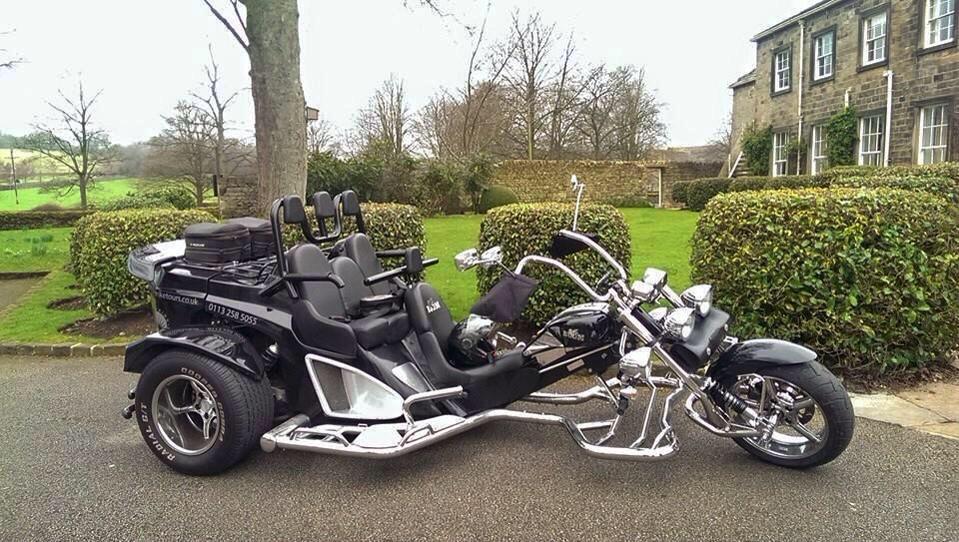
What Is A Trike Motorcycle?
As the name implies, a trike motorcycle stands apart from conventional two-wheeled motorcycles through its distinctive three-wheel configuration, offering a riding experience that combines the exhilaration of motorcycling with added stability and comfort. Depending on design and manufacturer, trikes typically feature either two wheels at the rear and one at the front or, in some cases, two wheels at the front and a single rear wheel. This variation caters to different preferences for handling, balance, and aesthetics, providing options for a wide spectrum of riders, from seasoned enthusiasts to those seeking a safer and more accessible way to experience the open road.
While the concept of a three-wheeled motorized vehicle dates back to the 19th century, when inventors were experimenting with alternatives to horse-drawn carriages and early automobiles, it wasn’t until the late 20th and early 21st centuries that modern trike motorcycles began gaining notable popularity. Initially propelled by custom builders and aftermarket conversion kits, the trike motorcycle gained a following among riders seeking improved comfort, especially for long-distance touring, as well as increased balance and accessibility for older riders or those with physical limitations. These bespoke conversions, often dubbed “motor trikes,” allowed enthusiasts to transform traditional motorcycles into three-wheeled machines suited to their unique needs.
A pivotal moment arrived in 2009 when iconic American manufacturer Harley-Davidson formally entered the market with its Tri Glide Ultra Classic. This marked the first time a major motorcycle brand produced a factory-assembled trike model, signaling widespread industry acceptance of the format. Following Harley’s lead, other brands and specialty manufacturers began developing their own trike offerings, further legitimizing and expanding the segment. The trike motorcycle market has since continued its steady growth, driven by increasing consumer interest in vehicles that offer a blend of motorcycle freedom with automotive-like comfort and stability.
Today’s trikes appeal to a diverse demographic, including touring enthusiasts, older riders, and even newcomers to the motorcycle lifestyle. This surge in popularity has created substantial opportunities for businesses involved in motorcycle sales, accessories, apparel, insurance, and travel services. Sprint Data Solutions Worldwide Marketing stands at the forefront of this evolving market, offering specialized, data-driven marketing solutions that connect brands with the growing community of trike motorcycle enthusiasts. Through comprehensive consumer data, targeted outreach, and finely tuned marketing strategies, we help businesses capitalize on this dynamic sector, ensuring they can effectively engage and convert this high-potential audience into loyal customers.
The Trike Difference
The addition of a third wheel to trike motorcycles represents far more than a stylistic innovation; it’s a purposeful engineering solution designed to improve balance, control, and rider confidence. Traditional two-wheeled motorcycles require constant balance adjustments, both in motion and when stationary, a factor that can deter potential riders or limit long-time enthusiasts as they encounter age-related or physical limitations. By integrating a third wheel, trikes provide a level of inherent stability that transforms the riding experience, eliminating the need for continuous balance while offering added safety during stops, turns, and long-distance rides. This enhanced control makes trikes particularly appealing to a diverse audience—including senior riders, individuals with mobility challenges, and newcomers to motorcycling—who seek the thrill of open-road travel without the demands of traditional motorcycle handling.
Historically, the initial surge in trike popularity emerged from niche custom builders and small-scale fabrication shops catering to motorcycle enthusiasts who sought an alternative to the conventional two-wheeler. Many of these early adopters were aging riders or those recovering from injuries who still desired the independence and excitement of motorcycling. These custom conversions often involved adapting popular motorcycle models into three-wheeled configurations, creating bespoke machines that prioritized comfort, safety, and aesthetic appeal. The evident demand in this niche market laid the groundwork for what would soon become a more mainstream segment of the powersports industry.
The pivotal moment in the trike market’s evolution occurred when major manufacturers recognized its untapped potential. Harley-Davidson’s 2009 introduction of the Tri Glide Ultra Classic marked the first mass-produced trike from a leading motorcycle brand, signaling an industry-wide acknowledgment of trikes as a legitimate and valuable market category. This strategic decision not only validated the needs of existing trike enthusiasts but also opened the door to entirely new consumer demographics, including those previously hesitant to embrace motorcycling due to concerns about balance and control. The success of Harley-Davidson’s trike lineup encouraged other major manufacturers to explore the segment, with offerings like the Can-Am Spyder and the Polaris Slingshot, each bringing their own interpretation of what a three-wheeled motorcycle could offer.
In particular, the Polaris Slingshot introduced an automotive-inspired take on the trike concept, featuring a side-by-side seating arrangement, steering wheel, and open-air cockpit while retaining its legal classification as a motorcycle. This innovation expanded the appeal of trikes beyond traditional motorcycle enthusiasts to include drivers seeking an adrenaline-fueled, roadster-like experience without transitioning to a full motorcycle. As a result, the trike segment now encompasses a wide range of vehicles designed to suit varying preferences, riding styles, and accessibility needs.
For businesses aiming to capitalize on this thriving market, understanding the motivations, lifestyle choices, and purchasing behaviors of trike riders is essential. The market now includes retirees drawn by long-distance touring opportunities, physically challenged individuals reclaiming their passion for riding, and younger consumers intrigued by innovative vehicle designs. Sprint Data Solutions Worldwide Marketing offers comprehensive data-driven services tailored to help businesses engage with this expanding audience. Through advanced consumer data analytics, refined targeting strategies, and market-specific insights, we enable companies to deliver highly relevant messaging and product offerings to trike motorcycle enthusiasts. Our expertise ensures that businesses can connect meaningfully with this diverse and rapidly growing demographic, capturing market share and building long-lasting customer relationships within the evolving trike motorcycle community.
Who Is The Market?
The demographic of trike motorcycle riders is remarkably diverse, encompassing a blend of traditional motorcycle enthusiasts and entirely new audiences. This growing market includes aging riders seeking enhanced stability, individuals with physical limitations, long-distance touring fans, and younger consumers drawn to the unique, roadster-like experience trikes offer.
Elderly Riders
The trike motorcycle market has firmly established itself, driven largely by aging motorcycle enthusiasts determined to preserve their lifelong passion for riding despite the physical limitations that often come with age. Motorcycles have long symbolized freedom, rebellion, and adventure in American culture, and many of today’s older riders are former two-wheel motorcycle devotees unwilling to part with the open-road experience. As balance, strength, and reaction times naturally decline, traditional motorcycles become increasingly difficult — and sometimes unsafe — for seniors to operate.
Trike motorcycles provide an ideal solution by delivering the thrill of motorcycling while removing the need for constant balance and intricate counter-steering. This three-wheel configuration offers enhanced stability and comfort, allowing older riders to stay active, social, and connected to the motorcycling community. The market response has been so significant that manufacturers now design trike models with features specifically appealing to senior riders, such as ergonomic seating, advanced safety technology, and storage capacity for longer road trips.
This demographic evolution represents a valuable opportunity for businesses offering products and services tailored to older riders, from adaptive riding gear and specialized insurance packages to touring events and maintenance services designed for trike owners.

Disabled Riders
For individuals with physical disabilities, operating traditional vehicles such as cars can present considerable obstacles, particularly for those facing severe mobility challenges. For example, people who are blind or experience profound paralysis may find independent driving impossible. Yet for many others — including wheelchair users, amputees, or those with partial mobility impairments — advances in adaptive vehicle technologies have expanded opportunities for personal transportation. However, while adapted cars and vans offer mobility solutions, they often lack the visceral sense of freedom and connection to the road that motorcycling provides.
This is where trike motorcycles offer a groundbreaking alternative. Unlike traditional two-wheel motorcycles, which demand a high degree of balance, strength, and coordination, trikes provide inherent stability thanks to their three-wheel design. This eliminates the need for constant physical adjustment to maintain upright positioning, making motorcycling accessible to a broader, more diverse community of riders with varying physical abilities.
Modern trikes are not only about stability — they’re highly customizable, allowing for a wide range of modifications like hand controls, wheelchair-friendly storage compartments, and ergonomic seating tailored to individual needs. These enhancements mean that riders with disabilities can enjoy the liberating, open-air thrill of motorcycling without compromising safety or comfort. In doing so, trike motorcycles redefine personal independence for many, offering a powerful blend of mobility, adventure, and self-expression for those who might have once believed such experiences were beyond their reach.
People Who Don’t Like Motorcycles
A significant and growing trend within the motor trike market is the influx of first-time riders drawn to the category specifically for its enhanced stability, safety, and ease of operation compared to traditional two-wheeled motorcycles. While motorcycles have long been associated with skill-intensive handling, balance demands, and a steep learning curve, motor trikes eliminate many of these barriers, offering a far more approachable experience for new enthusiasts. Many modern trike models now incorporate features typically found in automobiles, such as steering wheels, foot pedals, automatic transmissions, and ergonomically designed seating. This thoughtful design evolution transforms the trike into an accessible hybrid between a motorcycle and a convertible roadster — delivering the thrill of open-air travel without the intimidation factor often linked to standard motorcycles.
As a result, this shift is not only retaining aging riders or those with physical limitations but also attracting a new demographic of adventurous individuals who previously dismissed motorcycling altogether. These include younger adults seeking recreational alternatives, automotive enthusiasts eager for a fresh riding experience, and safety-conscious consumers interested in the freedom of motorcycling with added peace of mind. The surge in diversity among trike riders presents fertile ground for businesses offering products, services, or experiences tailored to this expanding market segment.
Sprint Data Solutions Worldwide Marketing is strategically positioned to help companies capitalize on this trend. By providing highly specialized, up-to-date consumer and business contact lists, along with sophisticated targeting strategies, Sprint Data Solutions enables clients to pinpoint and engage with this dynamic, evolving audience. With expert data segmentation and custom marketing solutions, businesses can confidently connect with new trike riders, optimize outreach campaigns, and secure a strong foothold within this rapidly growing sector.
Who Is Sprint Data Solutions Worldwide Marketing?
Sprint Data Solutions Worldwide Marketing represents a remarkable story of entrepreneurial resilience, strategic foresight, and unwavering dedication to client success. Founded by a disabled veteran who transitioned from military service to the private sector with a mission to empower economic growth, the company has consistently demonstrated the values of perseverance, innovation, and community commitment. What began as a modest operation in Las Vegas, Nevada — focused on helping local businesses expand their customer reach — quickly evolved into a respected national and international marketing powerhouse. From the outset, the company built its reputation on a foundation of superior customer service, data integrity, and measurable results, fostering lasting relationships with clients across a wide array of industries.
Initially specializing in direct mail marketing during a transitional era dominated by traditional advertising mediums like radio, print, and television, Sprint Data Solutions seized an early opportunity to excel in the collection, management, and strategic use of customer data. This mastery of database-driven marketing laid the groundwork for the company’s seamless integration into the emerging world of digital marketing. Recognizing the importance of adaptability in a rapidly changing business landscape, the leadership swiftly incorporated digital tools and techniques into its offerings, positioning the company as a forward-thinking partner capable of navigating both legacy and modern marketing channels with equal expertise.
As the digital revolution took hold, Sprint Data Solutions Worldwide Marketing’s proactive embrace of new marketing platforms, audience targeting technologies, and performance analytics allowed its clients to stay ahead of competitors and reach customers more efficiently. The company’s remarkable ability to merge traditional direct marketing with evolving digital methodologies created a holistic, results-driven approach that resonated with clients seeking both reach and precision. This adaptability fueled consistent growth and laid the path for regional, national, and eventually international expansion.
The company’s domestic reach soon extended beyond Nevada to all fifty U.S. states, including geographically challenging areas such as Alaska and Hawaii. Seizing opportunities beyond national borders, Sprint Data Solutions then expanded its operations to Canada and Mexico, offering North American clients access to seamless cross-border marketing services. Driven by its founder’s ambitious vision for global connectivity, the company further extended its expertise to the international arena, establishing strategic data and marketing networks across Europe, including prominent markets such as France, Germany, and the United Kingdom. Today, Sprint Data Solutions Worldwide Marketing serves a diverse and global clientele, providing customized, data-driven marketing solutions that help businesses connect with valuable audiences in local, regional, and international markets, reinforcing its standing as an industry leader committed to innovation, service, and results.

How We Can Help
Sprint Data Solutions Worldwide Marketing has devoted years to meticulously curating one of the nation’s most extensive and reliable contact databases, built on a foundation of integrity, accuracy, and strict compliance with ethical data collection practices. The company’s data acquisition strategy centers around fully consent-based methods, ensuring that every record included in its databases comes from individuals who have explicitly agreed to share their information. This is achieved through a variety of legitimate opt-in channels, such as newsletter subscriptions, service registrations, online surveys, event sign-ups, and consented business card exchanges. By prioritizing transparency and user permission, Sprint Data Solutions safeguards both its clients’ reputations and the privacy rights of individuals within its network.
To maintain the highest levels of data quality and relevance, the company implements an aggressive schedule of database audits, updates, and validations. Understanding that personal and professional contact details frequently change due to relocations, career shifts, or life circumstances, Sprint Data Solutions actively tracks and verifies records to reflect these changes in real-time. This commitment to data hygiene ensures that every contact provided to clients is both current and actionable, reducing bounce rates and improving overall campaign effectiveness. The company employs a combination of proprietary verification systems and strategic partnerships with other trusted data providers, allowing it to cross-reference and confirm the accuracy of its contact information against multiple verified sources.
But data volume alone isn’t what sets Sprint Data Solutions apart. The company leverages advanced artificial intelligence and machine learning technologies to transform raw data into actionable intelligence. Its AI-driven analytics platforms are capable of parsing vast amounts of information, identifying patterns, and segmenting audiences based on highly specific criteria. These systems apply complex search parameters and predictive modeling to extract the most relevant contacts for each client’s needs — whether targeting affluent retirees in Florida, tech enthusiasts in Silicon Valley, or health-conscious millennials in urban markets. Instead of providing undifferentiated lists, the company delivers carefully filtered, demographically aligned, and behaviorally relevant data tailored to each campaign’s objectives.
Geographic flexibility is another core strength of Sprint Data Solutions’ databases. Clients can source contact lists ranging from broad national coverage down to hyper-local areas. Whether a brand needs to execute a sweeping U.S. campaign or target specific communities, like the waterfront condos of Miami Beach or the business districts of downtown Seattle, the company can isolate contacts based on exact geographic markers, including state, county, city, ZIP code, and neighborhood boundaries. This enables businesses to allocate marketing resources with pinpoint precision and maximize local engagement.
In addition to geographic filtering, Sprint Data Solutions’ data resources boast robust demographic and lifestyle segmentation options. The databases contain detailed insights into ethnicity, religion, age brackets, income levels, consumer preferences, and health-related characteristics. For example, if a client seeks to engage affluent Asian American homeowners in Southern California, Catholic families in Boston, or individuals managing diabetes in the Midwest, Sprint Data Solutions can curate a refined contact list that meets those parameters. This depth of audience profiling empowers clients to design more relevant, personalized campaigns and achieve higher response rates.
By integrating cutting-edge technology, rigorous data management protocols, and an unwavering commitment to ethical practices, Sprint Data Solutions Worldwide Marketing offers businesses an unmatched competitive advantage. Its comprehensive, accurate, and precisely segmented contact databases ensure that clients can reach the right audience, in the right place, with the right message — resulting in campaigns that are not only efficient but highly impactful.
Contact Formats & More
Our contact databases are meticulously structured to meet a wide array of marketing demands, offering information in multiple client-specified formats to optimize outreach across various platforms. For traditional direct mail campaigns, we deliver verified and regularly updated physical mailing addresses, suitable for reaching both residential consumers and targeted business-to-business (B2B) audiences. These physical addresses are invaluable for brands aiming to connect with potential customers through tangible, high-impact promotional materials like postcards, catalogs, brochures, and invitation mailers.
In the digital arena, our extensive email databases provide access to both individual and corporate email addresses, making it possible for clients to execute segmented, permission-based email marketing initiatives. Each email contact is sourced through verified opt-in methods, ensuring compliance with anti-spam regulations and enhancing engagement rates through audiences that have shown prior interest in relevant categories.
For marketing campaigns involving direct person-to-person interaction, we supply comprehensive telephone data, including landline numbers for consumer outreach and highly selective B2B listings that bypass generic office receptionists to reach key decision-makers, managers, and C-suite executives. This precision targeting ensures your outbound calling efforts connect with the individuals who have the authority to act. Additionally, we maintain a robust database of mobile numbers, ideal for SMS and text-based marketing initiatives that demand immediacy and convenience, enabling businesses to send real-time promotions, alerts, or event notifications directly to recipients’ handheld devices.
Recognizing that every marketing strategy has unique requirements, Sprint Data Solutions Worldwide Marketing offers a suite of specialized services designed to complement our data offerings. Among these is our turnkey direct mail solution — a comprehensive, all-in-one service tailored for clients seeking a hassle-free campaign management experience. This inclusive package handles every aspect of a direct mail initiative, starting with market research and audience targeting, followed by creative concept development, professional design services, high-quality printing, and distribution logistics.
Our turnkey model streamlines the entire direct mail process by consolidating all functions under one operational framework, eliminating the inefficiencies and coordination difficulties often encountered when managing multiple service providers. This unified approach ensures that campaigns are executed efficiently, consistently, and with measurable results. From start to finish, clients can rely on Sprint Data Solutions to deliver cohesive, expertly managed marketing campaigns that resonate with their target audiences while saving time, reducing overhead, and maximizing return on investment.
If your goal is to effectively reach motor trike owners with your product or service, Sprint Data Solutions Worldwide Marketing offers the expertise and precision-targeted resources to connect you with this specialized audience. Leveraging our extensive, verified databases and advanced analytics, we deliver high-quality leads tailored to your unique marketing objectives. Partner with us to maximize your campaign’s impact, enhance customer engagement, and drive measurable results. Contact Sprint Data Solutions today to unlock new growth opportunities and accelerate your success in the motor trike market.