


America’s Most Important Resource Is The Voter
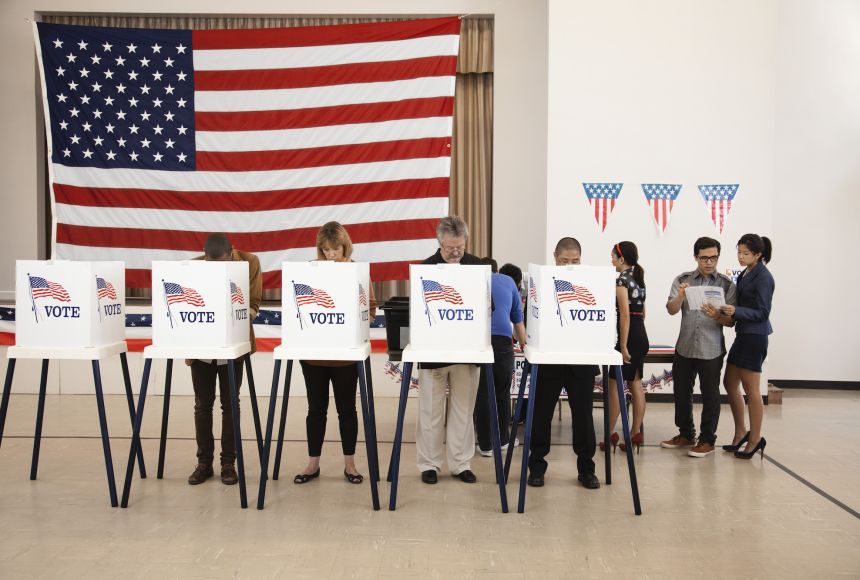
America stands out as one of the few nations with an unbroken tradition of democratic governance since its founding. Unlike countries with centuries of monarchical rule, the United States has consistently empowered its citizens to participate in the electoral process, allowing them to choose leaders and officials at every level of government—from the presidency and Congress to governors, mayors, and local bodies such as school boards and city councils. This vibrant democracy is a living system, characterized by frequent elections and an ongoing commitment to public representation. The effectiveness of democracy hinges on active voter participation, as the legitimacy of elected officials and the success of political initiatives depend fundamentally on broad voter engagement. For political campaigns and advocacy groups, connecting with the electorate in a precise and impactful manner is essential. This is where Sprint Data Solutions Worldwide Marketing excels: by providing expertly curated, comprehensive, and continuously updated mailing lists, email databases, and targeted marketing solutions, we ensure your political messages reach the most relevant and responsive voters. Partner with us to enhance your outreach efforts, mobilize voter support, and drive meaningful engagement that advances your political objectives and strengthens democratic participation across the nation.
Who Is Sprint Data Solutions Worldwide Marketing
Sprint Data Solutions Worldwide Marketing was established by a disabled veteran driven by a vision to build a wholly American-owned and operated enterprise dedicated to fostering economic growth. Following military service, the founder channeled a commitment to national progress by supporting businesses essential to the country’s economy, focusing on expanding their customer and client outreach. Originating as a modest local business based in Las Vegas, Nevada, the company’s unwavering dedication to quality service and client satisfaction fueled consistent expansion. Today, Sprint Data Solutions Worldwide Marketing is backed by a highly skilled team boasting over 50 years of collective expertise in marketing, promotions, and data analytics.
The company’s roots lie in direct mail marketing, where it developed deep proficiency in accurate data collection, meticulous organization, and advanced analytics. These core competencies enabled Sprint Data Solutions Worldwide Marketing to seamlessly transition and scale its offerings as digital marketing channels emerged and reshaped the industry landscape. By effectively integrating traditional and digital marketing strategies, the company now provides clients with comprehensive, multi-channel solutions tailored to diverse marketing objectives.
With a strong foundation, the company expanded its reach well beyond its Las Vegas origins, initially covering the entire continental United States, including Alaska and Hawaii. This growth trajectory extended further into North America, with services reaching across Canada and Mexico. Recently, Sprint Data Solutions Worldwide Marketing has broken into international markets, offering clients access to lucrative opportunities within the European Union, including major economies such as France and beyond. This broad geographic footprint empowers businesses to tap into global markets, leveraging Sprint Data Solutions’ extensive experience, cutting-edge technology, and data-driven insights to achieve impactful marketing outcomes worldwide.
Political Action In The 21st Century Has Changed
The landscape of politics, voter research, and engagement has experienced a profound evolution over recent decades, reshaping how campaigns connect with the electorate. Traditionally, political outreach relied heavily on broad, one-way communication channels such as television and radio advertising, newspaper endorsements, billboards, posters, and direct mail distribution of pamphlets and flyers. While effective in their time, these methods provided limited feedback, leaving campaigns uncertain about the true impact of their efforts and often necessitating large expenditures with imprecise targeting.
The digital revolution and widespread adoption of the Internet have radically transformed voter engagement strategies, introducing a wealth of new tools and platforms. Today, campaigns harness dynamic websites, targeted email campaigns, and a vast array of social media platforms to communicate with voters in a far more interactive and personalized manner. Unlike traditional mass media, social media enables direct dialogue, real-time feedback, and viral content sharing, all at a fraction of the cost, democratizing the ability to engage with constituents and build grassroots support.
Perhaps the most groundbreaking development is the rise of big data analytics, which has revolutionized how political organizations measure, understand, and optimize voter outreach. Campaigns can now collect vast amounts of data from digital interactions—ranging from social media engagement metrics, online surveys, and digital ad performance to consent-based tracking of website visits and digital behaviors. This rich data ecosystem empowers campaigns to conduct sophisticated voter segmentation, identifying not just party affiliation but nuanced attitudes on critical policy issues, voter likelihood, and demographic characteristics. These insights enable campaigns to tailor messaging and outreach with unprecedented precision, focusing resources where they will have the greatest impact.
Furthermore, the integration of advanced data analytics tools allows for real-time performance monitoring, enabling swift adjustments to strategy and tactics based on live feedback. This iterative approach maximizes efficiency and responsiveness, turning voter engagement into a highly adaptive, evidence-driven process. By combining traditional outreach with cutting-edge digital technologies and analytics, modern political campaigns are equipped to connect with American voters in ways that are far more targeted, meaningful, and effective than ever before—ushering in a new era of data-driven democracy.
By leveraging sophisticated data analytics and predictive modeling, political campaigns can create highly personalized and targeted messages that deeply resonate with the specific interests, values, and priorities of individual voters. This enhanced level of customization significantly boosts the effectiveness of outreach efforts by ensuring that communications are not only timely but also relevant and compelling, thereby maximizing engagement. Through this precision targeting, campaigns are able to build stronger, more authentic connections with voters, addressing their distinct concerns—whether related to economic policies, healthcare, education, or social issues—and inspiring them to participate actively in the political process. The capacity to access, analyze, and deploy detailed voter data—including behavioral patterns, demographic factors, and issue preferences—has revolutionized political engagement by shifting strategies from broad, generic appeals to focused, data-driven interactions. This transformation enables campaigns to allocate resources more efficiently, prioritize persuadable or high-impact voter segments, and continuously refine messaging based on real-time feedback and evolving voter sentiments. Ultimately, these advances empower campaigns to execute more strategic, adaptive, and impactful voter outreach efforts, resulting in higher voter turnout, stronger support bases, and more meaningful democratic participation.
Who Benefits
Sprint Worldwide Solutions Marketing delivers comprehensive, customizable contact lists spanning diverse demographics—from consumers and businesses to political stakeholders—enabling targeted outreach for marketing campaigns, voter engagement, and organizational initiatives, ensuring precise connection with the right audience for maximum impact and results.
Registered Voter Mailing Lists
Voting registration procedures vary across states, with some requiring voters to register well in advance, while others permit same-day registration at polling places. Additionally, certain states mandate that voters declare a party affiliation—such as Republican, Democrat, or Independent—while others allow nonpartisan registration. Despite these differences, registered voters universally demonstrate a proactive commitment to participating in the democratic process. This engagement makes them particularly receptive to targeted political marketing and outreach efforts, as they have already expressed a clear interest in civic involvement and political issues. Connecting with registered voters provides campaigns and organizations a focused audience eager to engage in political discourse and action.
State Voters Mailing Lists
Individual states hold significant authority in shaping policies that directly affect citizens’ daily lives, making state-level elections critically important. These elections decide key positions such as governors, state legislators, and representatives to the U.S. Congress and Senate, all of which influence vital areas including education systems, healthcare access, infrastructure development, and public safety measures. Because state governments often implement policies with immediate local impact, voter participation at this level is essential for tangible community outcomes. For political campaigns, engaging state voters through targeted outreach and education helps emphasize the real-world consequences of their votes, fostering greater awareness and motivating higher turnout. Mobilizing informed voters strengthens democratic participation and ensures that elected officials truly reflect the priorities of their constituents. Ultimately, effective state-level campaigning can drive substantial policy improvements and create lasting positive change within communities, underscoring the critical value of every vote in shaping local and regional governance.
National Voter Mailing Lists
At times, the most impactful approach to reaching voters involves broad, comprehensive outreach strategies, making national voter mailing lists an essential tool. These lists play a pivotal role during major electoral events, such as presidential elections, where connecting with voters across diverse regions of the country is critical for campaign success. Beyond federal races, national voter mailing lists also support state and local political initiatives by enabling campaigns to efficiently communicate with a vast and varied electorate. Utilizing these extensive databases allows campaigns to distribute key messages, raise awareness about candidates and issues, and drive voter turnout on a large scale. By harnessing the power of national voter mailing lists, political organizations can optimize their outreach efforts, ensuring timely and targeted communication that resonates with voters nationwide and maximizes influence in both national and state-level elections.
Voter Precinct Mailing Lists
Electoral districts form the fundamental framework of political engagement, dividing regions into defined voting zones that are further broken down into voter precincts—the most granular units of political organization. These precincts serve as the frontline of all electoral activity, whether in local council races, state elections, or national contests. For campaigns seeking to maximize effectiveness, access to detailed voter precinct contact information is indispensable. This precise data enables political strategists to tailor communications and outreach efforts specifically to the concerns and demographics of voters within each precinct. By adopting a data-driven, precinct-focused strategy, campaigns can enhance voter mobilization, foster deeper engagement, and drive meaningful electoral outcomes, ensuring resources are deployed with maximum impact and precision at every level of the political process.
Political Donor Mailing List
While every American holds a fundamental civic duty to participate in the democratic process, many individuals extend their commitment by actively supporting elections through financial contributions. Donors play a pivotal role at all levels of political activity, ranging from everyday citizens who make modest donations to bolster local candidates, to high-net-worth individuals and influential entities investing substantial sums to support major political parties, candidates, or specific policy initiatives. These financial contributions are essential lifelines that enable campaigns to build momentum, run effective outreach, and implement strategic actions. Having comprehensive knowledge of potential donors ahead of time empowers campaigns to tailor their appeals, fostering targeted communication that resonates and motivates giving. By strategically engaging and nurturing relationships with these supporters, political campaigns can secure the critical funding necessary to amplify their message, mobilize resources efficiently, and ultimately achieve impactful results. This careful alignment between donor engagement and campaign needs strengthens democratic participation by ensuring that committed supporters can contribute meaningfully to causes they believe in, driving sustained political momentum and a more vibrant electorate.

Conservative Political Donors
The United States’ political landscape is predominantly shaped by two major parties, with donor support often closely tied to these affiliations. Conservative donors typically align with the Republican Party and prioritize funding initiatives that reflect their core values, such as advocating for Second Amendment rights, upholding Christian principles, promoting limited government intervention, and supporting stronger immigration controls. These donors are highly motivated by ideological commitments and seek to back candidates and causes that advance their vision for the country. For political campaigns focused on these issues or broader conservative agendas, strategically engaging conservative donors through personalized, value-driven messaging can unlock substantial financial backing. Crafting outreach efforts that directly address their concerns and emphasize shared priorities is essential for building trust and enthusiasm, ultimately driving more robust contributions. A deep understanding of the conservative donor base’s motivations enables campaigns to cultivate long-term relationships, secure ongoing support, and mobilize resources effectively—resulting in greater political influence and successful election outcomes aligned with their ideological goals.
Liberal Political Donors
Just as conservative donors support causes aligned with the Republican Party, there is a robust base of liberal donors who primarily back the Democratic Party and progressive issues. These donors focus on advancing rights and protections related to abortion access, LGBTQ+ equality, racial and social justice, environmental sustainability, expansion of affordable healthcare, and quality public education. The recent overturning of landmark decisions like Roe v. Wade has galvanized many liberal supporters who had previously been less engaged, leading to a surge in political activism and increased willingness to donate to safeguard and promote their core values. This renewed sense of urgency creates a significant opportunity for campaigns and advocacy groups to connect with a highly motivated donor base eager to fund initiatives that protect civil liberties and social equity. Successful outreach to liberal donors involves understanding their evolving concerns and priorities, clearly communicating how their financial support can lead to measurable policy victories and societal progress. By aligning fundraising efforts with these donors’ passionate commitment to progressive causes, campaigns can build strong, lasting relationships that ensure sustained backing, enabling effective advocacy and electoral success in an increasingly competitive and polarized political environment.
Independent Voter Mailing List
While the majority of Americans identify with the two dominant political parties—Democrats and Republicans—there exists a substantial and influential segment known as independent voters. These individuals prioritize issues and policies over strict party allegiance, making them a unique and often unpredictable force in the electoral landscape. Independents may choose candidates based on their stances on key topics such as the economy, healthcare, education, or social justice, rather than voting along party lines. Although they are frequently excluded from primary elections in some states, independents wield significant influence during general elections and political donations, frequently serving as the deciding factor in closely contested races. Their votes can tip the balance in swing districts and states, amplifying their importance in shaping local, state, and national outcomes. Political campaigns that seek to engage independents must focus on nuanced, issue-driven messaging that resonates with their specific concerns and values. Tailoring outreach efforts to highlight pragmatic solutions and bipartisan appeal is crucial to winning over these voters, who often represent the most flexible and persuadable segment of the electorate. Effectively engaging independents not only broadens a campaign’s base but also enhances its ability to build coalitions and secure electoral victories in competitive environments, underscoring the strategic necessity of including this key demographic in any comprehensive political strategy.
Undecided Voters Mailing List
Undecided voters are one of the most critical yet often underestimated segments in elections and political campaigns. Particularly in closely contested races or swing districts where no candidate holds a clear majority, these voters can be the decisive factor in determining the election’s outcome. Unlike apathetic non-voters, undecided voters are actively engaged but remain open, having not yet committed to any candidate or party. This openness presents a valuable opportunity for campaigns willing to invest in targeted outreach and persuasive communication. By understanding their concerns and motivations, campaigns can tailor messages that resonate personally, addressing doubts and providing compelling reasons to support a particular candidate or cause. The influence of undecided voters has been increasingly evident in recent elections, where narrow margins and recounts underscore their potential to tip the scales. Mobilizing these voters through data-driven strategies, personalized appeals, and sustained engagement is essential for maximizing voter turnout and securing crucial victories. Effectively winning over undecided voters can transform a competitive race into a clear win, making them a strategic priority for any successful political effort.
Political Activists Mailing Lists
AAll Americans of voting age share the civic responsibility to participate in democracy, yet beyond casting ballots and donating funds, many contribute through dedicated volunteerism. Political activists invest their time and energy without financial compensation, motivated by a strong personal commitment to advancing their chosen causes. Their involvement is vital, as these volunteers bring passion, perseverance, and grassroots energy that often exceed the efforts of paid staff. They engage in a wide range of activities—from canvassing neighborhoods and organizing events to managing communications and logistical tasks—all of which are essential to the smooth operation and success of political campaigns and advocacy initiatives. This unpaid labor strengthens campaigns by expanding outreach, deepening community engagement, and maximizing resource impact. The dedication of political activists creates a powerful multiplier effect, amplifying the influence of financial contributions and strategic efforts alike. Their passion and unwavering commitment are often the driving forces that tip the balance in closely fought races and propel movements forward, making volunteer activism an indispensable component of a thriving democratic process.
Swing State Voters
Swing states, often referred to as battleground or purple states, play a pivotal role in shaping the outcome of American elections. Unlike reliably partisan states—such as California, which consistently leans Democratic, or Texas, which generally supports Republicans—swing states exhibit fluctuating voter preferences that make their electoral outcomes highly unpredictable. These states, including places like Florida, Pennsylvania, and Wisconsin, become the focal points of intense political competition because their electoral votes can decisively tip the balance in close races. Recognizing their critical importance, campaigns allocate the majority of their resources—both financial and human—to aggressive voter outreach, advertising, grassroots organizing, and tailored messaging within these states. The dynamic and competitive nature of swing states leads to heightened voter engagement and heightened political activity, as candidates strive to win over undecided voters and reinforce their existing support base. Consequently, swing states not only shape the strategies and narratives of national campaigns but also serve as bellwethers that reflect broader shifts in the political landscape, underscoring their indispensable role in determining electoral victories.
It’s Time To Prepare
The United States is already preparing for the highly anticipated Presidential election scheduled for November 2024, and despite the seemingly distant timeline, the most successful campaigns understand that effective groundwork must start well in advance. Early and meticulous planning is essential for political success, allowing campaigns to develop comprehensive strategies, build strong voter outreach infrastructures, and respond quickly to emerging issues or opposition tactics. Sprint Data Solutions Worldwide Marketing plays a critical role in this preparatory phase by providing robust, multichannel voter contact solutions that span every electoral district across the nation. Our sophisticated data analytics, combined with precise demographic and geographic targeting, empower campaigns to deliver personalized messages through mail, email, phone, and SMS, ensuring that voter engagement is not only timely but also highly relevant. By partnering with us, political teams gain a strategic advantage that enhances their ability to mobilize supporters, influence undecided voters, and ultimately drive higher turnout, maximizing their chances of victory well before Election Day arrives.

Get The Political Support You Need
Sprint Data Solutions Worldwide Marketing provides extensive and highly detailed voter and political databases, delivering not only accurate contact information but also rich demographic and behavioral insights. Our data is carefully compiled from a variety of reliable sources, including comprehensive surveys, verified purchase histories, voter registrations, and curated mailing lists. This multifaceted approach ensures that campaigns and organizations gain access to up-to-date, actionable intelligence that supports targeted outreach strategies. By leveraging this robust data, clients can effectively segment their audiences, tailor communications to specific voter profiles, and optimize engagement efforts for maximum political impact.
Our contact information is enhanced through sophisticated big data analytics, enabling precise identification and targeting of distinct voter segments. By integrating advanced research techniques, cutting-edge technology, and comprehensive data analysis, candidates can access a wide spectrum of demographic groups. These include age, income, education, political affiliation, voting history, and issue-based interests. This granular targeting empowers campaigns to craft tailored messages, maximize outreach efficiency, and engage voters with personalized, impactful communications that drive meaningful political results.
- Age
- Ethnicity
- Debt
- Age of Children
- Renter
- Homeowner
- Income
- Marital Status
- Mortgage Data
- Geography
- Veteran Status
And much, much more.
Voting lists extend far beyond just physical mailing addresses. Depending on your outreach strategy, voters can be contacted via multiple channels, including mail, email, SMS/text messaging, and telephone calls. Sprint Data Solutions Worldwide Marketing specializes in delivering precisely targeted voter lists that cover diverse demographics and segments, enabling campaigns to efficiently engage voters, mobilize volunteers, and connect with potential donors. Our meticulously curated and frequently updated lists enhance your campaign’s ability to communicate effectively, optimize resource allocation, and significantly boost your chances of electoral success and achieving strategic goals.